
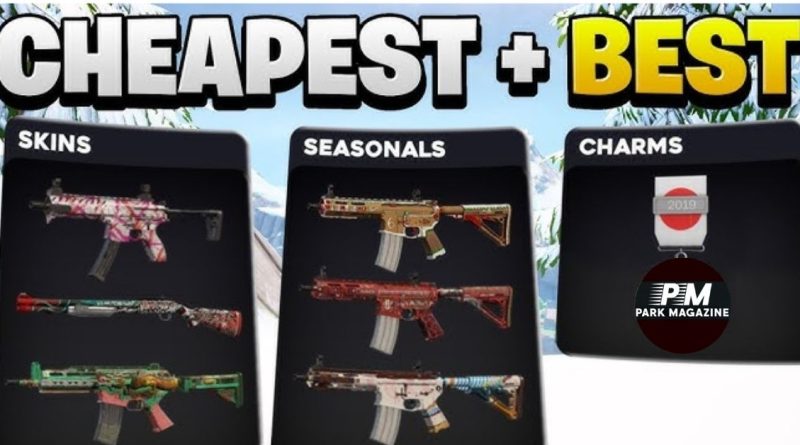
Ultimate Guide to the R6 Marketplace in Rainbow Six Siege
Players often struggle finding rare skins in Rainbow Six Siege. Prices in the official store feel high, and some items are limited to events. The R6 Marketplace solves that by letting players trade cosmetics directly. You can turn old items into valuable credits. It’s simple, secure, and keeps the game fair. Trading also adds excitement to collecting and customizing operators.
The marketplace uses R6 Credits, the in-game currency, for all exchanges. Skins, charms, uniforms, and headgear are tradable items. Rare cosmetics like seasonal or event items often fetch top prices. It operates through a web portal separate from the game. This setup protects accounts while giving every item a chance to be sold. Active players often find bargains or highly sought collectibles every day.
Understanding How R6 Marketplace Works
The R6 Marketplace is a peer-to-peer trading platform created by Ubisoft. Players buy and sell items with R6 Credits. It focuses only on cosmetic items, ensuring gameplay stays fair. Rare items hold more value, which creates a dynamic economy. Users can list items, browse orders, and track prices easily. This platform keeps old cosmetics relevant and collectible.
All trades are limited to eligible items. Current season skins usually aren’t tradable until the next release. Bundles and event-exclusive items remain locked to original owners. This protects rarity and prevents unfair advantages. By controlling what can be sold, the marketplace maintains balance in the game. Players know exactly what to expect before making a trade.
Suggested data: Include a small infographic showing which types of items are eligible to trade. Display an example of a seasonal skin and its price trend.
The Marketplace’s History
Ubisoft introduced the concept in late 2023 to let players monetize unused cosmetics. Early beta testers helped refine features like price setting and filters. By mid-2024, the full marketplace opened for all eligible players. Updates followed, adding tools like price history charts and improved search. Community feedback shaped the platform, making it more user-friendly over time.
Initially, players were cautious due to scams and inflated prices. Ubisoft countered with safeguards like two-factor authentication and transaction limits. As older cosmetics became tradable, more users joined. Rare skins created a vibrant economy with high-value items. Today, the R6 Marketplace is a trusted part of Rainbow Six Siege.
Suggested multimedia: Timeline graphic showing beta launch, full release, and major updates. Include screenshots of price history charts for popular skins.
Gaining Access to the Marketplace
Access starts with a Ubisoft account linked to Rainbow Six Siege. If no account exists, it’s easy to create one. Players must enable two-factor authentication for security. Clearance level in-game should reach 25 or higher. This ensures participants understand the game and its items. Once logged in, the dashboard shows options for buying, selling, and tracking inventory.
The platform works for PC and console users via a web portal. Bookmarking the page helps with repeated visits. Troubleshooting is simple—clearing cache or switching devices usually fixes issues. After access, players can participate in the marketplace fully. Transactions are immediate, making trading efficient and reliable.
Suggested multimedia: Screenshot of the login page with “Buy” and “Sell” tabs highlighted. Include a short video showing step-by-step login and navigation.
Items You Can Trade
The marketplace accepts most cosmetic items from previous seasons. Weapon skins, uniforms, charms, and headgear dominate listings. New-season items usually stay locked until the following release. Bundles remain tied to original accounts and cannot trade. Popular rare skins like Black Ice often fetch high R6 Credit prices.
Charms from events and esports packs also see high demand. Players track price trends using history charts for smart buying. Regular updates from Ubisoft clarify what is eligible each season. This system avoids impact on gameplay while maintaining rarity. Traders get a clear picture of which items are worth investing in.
Suggested data: Table listing top 5 rare skins with R6 Credit price, USD equivalent, and season of release.
How to Buy Items
Purchasing starts in the “Buy” section of the marketplace dashboard. Players browse or search for specific skins and charms. Prices are displayed in R6 Credits, and sellers remain anonymous for privacy. If an item isn’t listed, you can create a purchase order at a target price. The system automatically matches your order when a seller lists at that price or lower.
Monitoring price trends helps avoid overspending. Transactions are instant, and items appear immediately in inventory. Comparing multiple listings ensures you get a fair deal. Using the marketplace efficiently can save credits and help collect high-demand skins. Patience is often key to snagging the best items.
Suggested multimedia: Screenshot of the purchase process. Include an example order being matched automatically.
How to Sell Items
Selling begins in the “Sell” section of the dashboard. Eligible items appear from your inventory automatically. Choose a skin, charm, or uniform and set a price in R6 Credits. Market trends guide competitive pricing for faster sales. A 10% fee applies to successful transactions, deducted from the total proceeds.
You can cancel listings anytime if needed. Once a match occurs, the item transfers to the buyer and credits deposit into your account. Tracking price history allows you to adjust listings for better results. Regularly refreshing your dashboard helps spot new opportunities. Consistent selling builds credits steadily over time.
Suggested data: Example showing a 100-credit sale with 10% fee and net credits earned. Include a small chart of average sale fees.
Costs and Fees
All sales include a 10% platform fee. Buyers pay only the listed price; no hidden costs exist. This fee supports marketplace maintenance and ensures secure transactions. For example, a 200-credit sale nets 180 credits after fees. R6 Credits themselves are purchased or earned in-game.
Ubisoft keeps the system transparent with clear transaction histories. Monitoring these records helps avoid mistakes. Sellers can calculate exact profits before listing. Understanding fees is essential for smart trading. It ensures fairness and maintains trust among users.
Suggested multimedia: Infographic showing fee deduction on sample sales. Include a comparison with other game marketplaces.
Smart Buying Tips
Research item values before committing to purchases. Use price history charts to spot dips during off-peak hours. Setting purchase orders slightly below average can secure bargains. Focus on items with consistent demand for resale potential. Patience prevents overspending and increases successful trades.
Compare multiple listings and read community forums for trends. Using filters by rarity or item type narrows searches. Timing purchases during low-traffic hours often gets better prices. Following these methods builds a strong collection without wasting credits. Consistency rewards long-term players.
Smart Selling Tips
Price items based on recent sales to stay competitive. Listing during peak hours, like evenings or weekends, helps match buyers quickly. Highlight rare or event-specific traits if allowed. Monitor your listings and adjust prices if needed. Small, consistent profits on multiple trades work better than relying on a single high-value sale.
Refreshing pages frequently helps spot new opportunities. Bundling similar items is optional, as most trades happen individually. Tracking market trends ensures items sell faster. Following these strategies keeps credit flow steady and predictable. Community discussions provide extra insight.
Avoiding Common Mistakes
Double-check prices before listing to prevent typos. Ignoring fees can reduce profits unexpectedly. Overbidding on impulse purchases wastes credits. Forgetting to log out or enable two-factor authentication can block access.
Planning transactions carefully prevents delays or mistakes. Monitor orders and inventory regularly. Avoid trading outside the official marketplace to prevent scams. Learning from other players’ stories saves time and credits. Caution and preparation make trading smoother.
Staying Safe on the Marketplace
Two-factor authentication protects accounts from unauthorized access. Trades occur only through the official platform. Reporting suspicious activity ensures a safe environment. Never share login information or trade outside the system. Strong passwords and regular account checks further enhance security.
The marketplace hides personal info during trades to maintain privacy. Immediate response to breaches prevents losses. Following these steps keeps both buyers and sellers protected. A secure system builds trust in the community. Players can trade confidently knowing safeguards are in place.
Suggested multimedia: Include a visual showing security tips like 2FA, strong passwords, and reporting.
Player Experiences
Many users praise the marketplace for reviving old items. One player snagged a rare Black Ice skin at half price. Others report quick sales during high-demand events. Occasional bugs appear, but updates fix them promptly. Community forums share tips and highlight profitable trades regularly.
Overall, sentiment remains positive. Players enjoy connecting through trades. Learning from others improves strategy. The platform adds value and keeps the Siege economy lively. Users who stay active often find rare collectibles easily.
Comparing With Other Game Marketplaces
R6 Marketplace focuses solely on cosmetics, unlike CS:GO or Steam markets. No real-money trades occur, only R6 Credits. Fees remain consistent at 10%, but trades stay limited to Siege items. Other games may allow auction houses or wallet systems, which can complicate trading.
R6 keeps things simple and focused on player-to-player exchanges. Web access works for both PC and consoles. The system avoids overwhelming new players with complex features. This design supports Siege’s tactical gameplay without unnecessary clutter. Trading remains straightforward and transparent.
Suggested data: Include a comparison table of R6 Marketplace vs CS:GO Market vs Warframe Trading. Highlight fees, item types, and payment methods.
Upcoming Updates and Changes
Ubisoft hints at more items becoming tradable in future seasons. Improved search tools and interface updates may appear soon. Mobile access could allow easier browsing. Community feedback drives most adjustments to functionality. Seasonal items and new cosmetics will expand trading options gradually.
Staying updated via official channels ensures players don’t miss new opportunities. R6 Marketplace evolves with the game, promising more features ahead. Tracking updates keeps collectors informed and ready. Planning trades around new releases maximizes potential gains. The platform grows alongside the Siege community.
Final Thoughts
How does the marketplace work? The R6 Marketplace makes Rainbow Six Siege more interactive and rewarding. Players trade skins, charms, and uniforms safely using R6 Credits. Rare items hold value, giving old cosmetics a second life. Accessing the marketplace is simple once eligibility is met. Following smart buying and selling strategies maximizes credits.
Caution is key, but rewards make trading worthwhile. Ubisoft continues refining the platform for better experiences. Active players can collect rare items, profit from trades, and enjoy a vibrant community. Trading keeps Siege engaging and adds long-term value for everyone.
Suggested multimedia: Final infographic showing marketplace benefits, trading tips, and potential profits. Include a call-to-action screenshot encouraging users to explore listings.
ALSO READ: Dopple AI: A Clear Look at the Platform Shaping Digital Characters in the U.S.